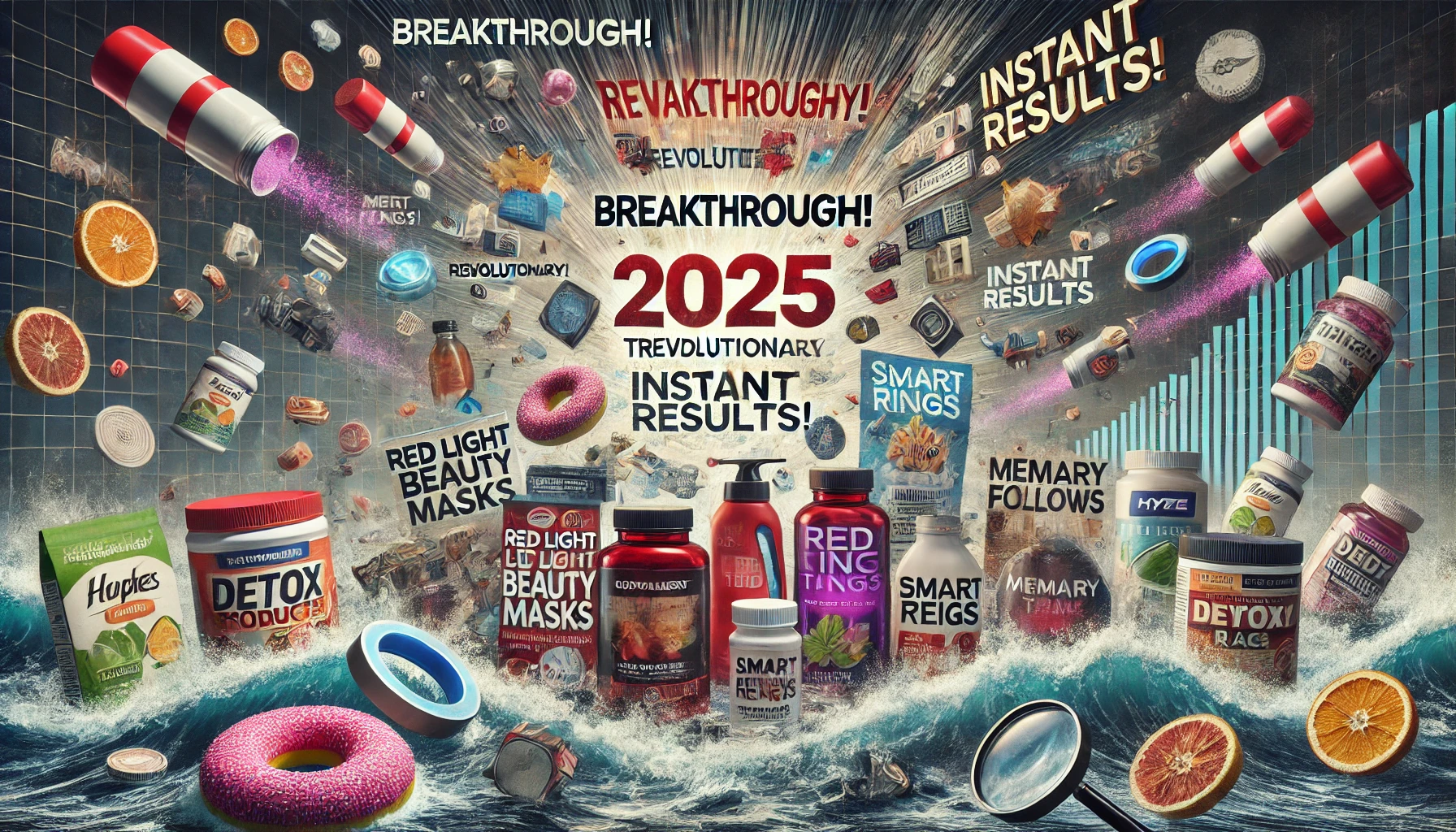
As consumer spending habits shift and digital marketing reaches fever pitch, 2025 has delivered a tsunami of “revolutionary” products promising everything from instant weight loss to cognitive enhancement. But here’s the uncomfortable truth: most trending products are trending for their marketing budgets, not their merit.
After months of investigation, product testing, and diving deep into consumer complaints, I’ve compiled this definitive analysis of what’s actually moving the needle in 2025. Some surprises ahead.
The Health Supplement Gold Rush Continues
The supplement industry is having another banner year, with Americans expected to spend over $60 billion on vitamins, nootropics, and wellness products. The concerning trend? Increasingly bold claims with decreasingly transparent ingredient lists.
Memory and Cognitive Enhancement products dominate the landscape. Brain Savior, Memory Wave, The Genius Wave, and Nourix all promise to reverse cognitive decline or boost mental performance. The reality check: no supplement can deliver the dramatic cognitive improvements these products claim. The FDA doesn’t regulate supplements like pharmaceuticals, meaning companies can make sweeping health claims without clinical proof.
Nerve and Pain Relief supplements like NerveCalm/Calm Pro 5, SciatiEase, Nerve Fresh, and Primal Labs Advanced Nerve Support target Americans’ chronic pain epidemic. While some contain legitimate ingredients like alpha-lipoic acid or B-vitamins, the dosages are often too low to be therapeutically effective. Most cost 300-500% more than buying the same ingredients separately.
Weight Loss Supplements flood the market with Puriva Diet Capsules, Lean X Diet Capsules, Fitify Diet Capsules, and Keto Base leading the charge. Here’s what the clinical data shows: sustained weight loss requires lifestyle changes, not pills. The most effective “weight loss supplement” remains a caloric deficit and regular exercise.
Kitchen and Home Products: Innovation vs. Marketing
Two standout products deserve attention in this space, though for very different reasons.
The Matsato Chef Knife represents genuine innovation in kitchen cutlery. Japanese steel construction, lifetime sharpening guarantee, and ergonomic design justify its premium pricing. Independent testing confirms superior edge retention compared to similarly priced Western knives. This is legitimate product innovation.
Conversely, the KatuChef Titanium Cutting Board exemplifies marketing over substance. Titanium sounds impressive, but wood or quality plastic cutting boards perform identically at a fraction of the cost. The titanium coating wears off with normal use, leaving you with an expensive piece of metal that damages knife edges.
Wearable Technology: The Good, Bad, and Overhyped
Herz P1 Smart Ring enters a crowded wearables market with bold health monitoring claims. While the form factor is appealing, accuracy issues plague most budget smart rings. Professional medical devices remain the gold standard for health monitoring. If you want fitness tracking, established brands like Fitbit or Apple offer proven accuracy.
Grounded Footwear Barefoot Shoes capitalize on the minimalist shoe movement. The concept has merit – strengthening foot muscles and improving proprioception. However, the transition requires months of gradual adaptation. Marketing materials ignore this crucial detail, leading to injury complaints.
Red Light Therapy and Beauty Devices
Glokore LED Mask and Glokore Red Light Therapy Wraps ride the red light therapy trend. Clinical research supports red light therapy for certain skin conditions, but home devices rarely deliver therapeutic light intensity. Professional treatments remain significantly more effective.
Vital Promise AntiWrinkle Cream makes typical anti-aging promises. Dermatologists consistently recommend retinoids, sunscreen, and moisturizers over expensive “miracle” creams. This product offers nothing revolutionary despite premium pricing.
Sleep and Recovery Products
Derila Ergo Memory Foam Pillow and Derila Pillows target the $15 billion sleep market. Memory foam pillows can improve sleep quality for some users, but individual needs vary dramatically. The “one-size-fits-all” marketing ignores basic anatomy differences.
Tmates promises enhanced recovery through compression technology. While compression garments have legitimate applications in sports medicine, the specific benefits claimed require more robust clinical validation.
Complete Product Trend List for 2025
Here’s the comprehensive list of trending products dominating social media and online advertising:
- BloodVitals
- Native Path Hydrate Stick Packs
- CuraBall
- Countrywide Carry
- Memory Loss supplement
- TinnitrolVisiSharp
- Alphacur
- Breathe
- Sciatica Pro
- Lung Clear Pro
- Jungle Giant Pro
- Keto Plus Gummies
- Frank & Frey CBD Capsules
- TrimIQ
- The Growth Matrix
- Breeze Box
- Mobility Toolkit
- Memory Wave
- Near Future Report
- Akusoli
- NativePath Native Creatine
- GluvaFit
- MITOLYN
- PrimeBiome
- HepatoBurn
- ProstaVive
- ProDentim
- AquaSculpt
- Fast Wealth
- NITRIC BOOST
- Moon Reading
- The Lost Generator
- Quietum Plus
- Billionaire Brain Wave
- Pelvic Floor Strong
- Joint Genesis
- NewEra Protect
- Java Burn 2.0
- Flush Factor Plus
- TedsWoodworking
- Live Chat Jobs
- Neuro Energizer
- Gluco6
- The Smoothie Diet: 21 Day Rapid Weight Loss Program
- David’s Shield – EMP & Collapse VSL
- The Pineal Guardian
- Tina Psychic | Soulmate Sketch
- Soulmate Story
- Nagano Tonic
- Lulutox Detox Tea
- Nuubu Detox Foot Patch
- Boostaro
- Levoran Gummies
- Nitric Boost Ultra
The Bottom Line on Trending Products
Most trending products succeed through sophisticated digital marketing, not superior performance. The supplement industry particularly exploits regulatory gaps and consumer desperation for quick fixes.
Before purchasing any trending product, ask these questions: Is there peer-reviewed research? Are the claims FDA-approved? Can I achieve similar results with established, less expensive alternatives?
Your wallet and health deserve better than marketing hype disguised as innovation.