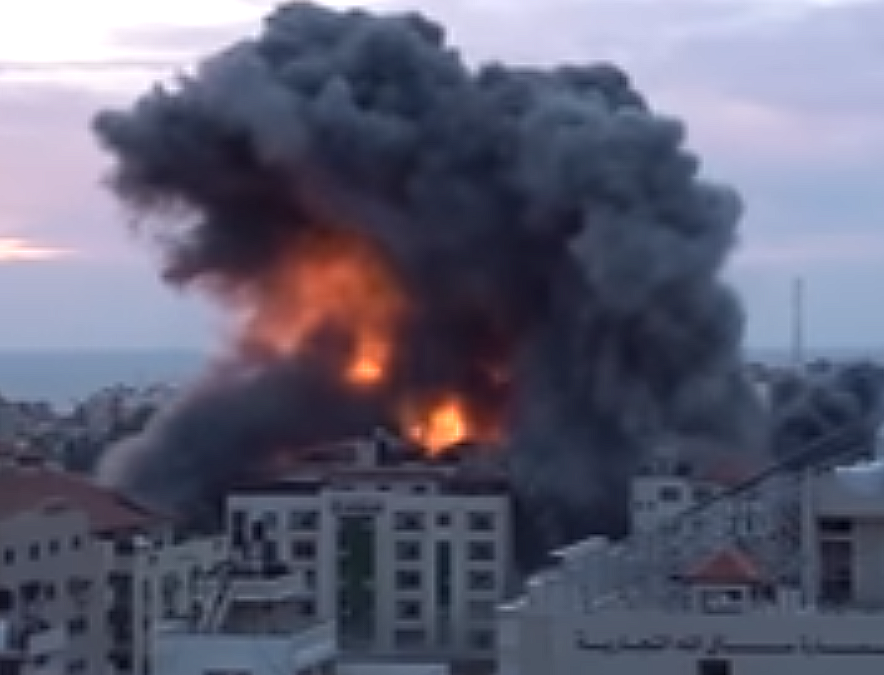
The Middle East, particularly the longstanding conflict between Israel and Hamas in the Gaza Strip, has always been a focal point for global attention. This Monday, tensions flared once again, making headlines worldwide. This article dives deep into the details, intricacies, and potential implications of Monday’s events.
Historical Context: A Brief Refresher
Understanding the significance of Monday’s happenings requires a foundation in the historical context surrounding the Israel-Gaza relationship.
The Genesis of Tensions
In the mid-20th century, following the end of the British Mandate, the region saw the establishment of the State of Israel. This inception was met with resistance from several Arab states, leading to a series of wars and conflicts.
The Gaza Strip’s Significance
The Gaza Strip, bordered by Israel, Egypt, and the Mediterranean Sea, has been a major hotspot. Hamas, a Palestinian militant group, has controlled this region since 2007, resulting in a tense relationship with Israel.
Detailed Analysis of Monday’s Clashes
On Monday, tensions reached a crescendo, leading to a significant outbreak of violence.
Key Flashpoints
Northern Gaza: Early in the morning, Israeli military reported incursions from this region, triggering rapid defensive maneuvers.
Eastern Border Region: By midday, sightings of aerial activity, potentially drones, were reported, causing further alarm.
Southern Coastal Areas: As dusk approached, naval activities were noticed, hinting at a multi-pronged approach by Hamas.
The International Response
The international community was swift in its reactions. Several nations called for immediate de-escalation, fearing a larger conflict. The United Nations convened an emergency session, underscoring the gravity of the situation.